


It’s a bumper issue this month, although it feels like we’ve said that a lot recently. Perhaps it’s the launch of our new campaign advocating for Alberta’s grizzly bears or the rural community outreach. It could be both the ongoing and upcoming advocacy work to provincial and federal governments, or perhaps it’s the expansion of EWC’s core team. No matter the (good) cause, none of it would be possible without your support.
Each time our community shows up, it gives us renewed hope, because “hope is rooted in action”. With every post shared, every donation made, every choice that supports coexistence in your community, it’s your actions that make the difference.
Whilst fear-mongering coverage of apex predators continues to dominate the media, there is also an abundance of progress being made across North America to protect the species that matter so much to so many. So many rural and Indigenous communities continue to show that coexistence is not only possible, but imperative to our collective well-being. Through their leadership and collective actions, they are lighting the way, and we are privileged to support this important work.
Taking action, no matter how small, reminds us, even in the darkest of times, that progress is always possible.
Happy, hopeful trails,
The Exposed Wildlife Conservancy Team

Last month, EWC launched a campaign urging the government of Alberta to maintain the closure of the grizzly bear hunt. In collaboration with Alberta Wilderness Association and Grizzly Bear Foundation, we submitted a formal letter to the government requesting a meeting to discuss the importance of maintaining the closure, prioritizing non-lethal conflict management and recognizing the intrinsic economic and ecosystem value of living grizzly bears.
Along with this correspondence, we have released an official statement and the first in a three-part series of letters from the public.
Sign Letter 1 - Formal Request to Implement Provincial Grizzly Bear Recovery Plan & Maintain Closure of Alberta’s Grizzly Bear Hunt. Released May 15th.
June 5th: Release of Letter 2 - Formal Request to Prioritize Non-Lethal Wildlife Management Practices
July 28th: Release of Letter 3 - Formal Request to Recognize the Sustained and Significant Economic Value of Living Grizzly Bears
Alberta’s grizzly bears need your voice. Please sign your name to Letter 1 and share with your community.
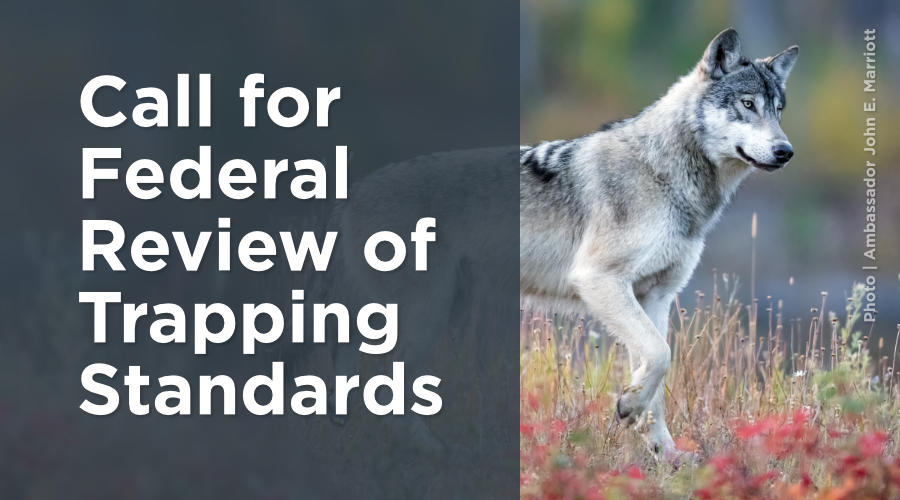
As we continue our advocacy work in pursuit of trapping reform, EWC has submitted a formal recommendation for the pre-budget consultations in advance of the upcoming federal budget.
Our submission calls for dedicated federal funding to review Canada’s continued reliance on the Agreement on International Humane Trapping Standards (AIHTS) and whether current trapping standards remain aligned with modern commitments to biodiversity protection, species-at-risk recovery, ecological integrity, and humane wildlife management.
Please consider supporting this important work with a donation. It’s through your kindness and generosity that we are able to advocate for the humane treatment of apex predators and vulnerable wildlife. Your support matters.
As we find the courage to share our stories of loss or grief, we often find others offer up their own experiences. After sharing the tragic loss of Moon and Bonnie, two beloved pets in BC & Alberta, stories have been pouring in from across the country of pets lost to archaic and dangerous trapping practices on public land. It’s time for these entirely preventable deaths to come to an end, and for policy to reflect modern ethics and the will of the public.
Please share and sign the petition urging the government of BC to amend trapping laws.
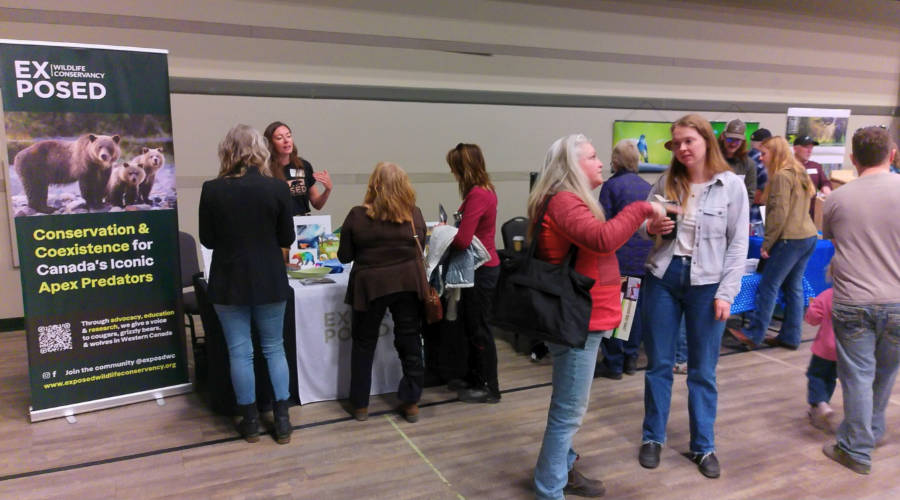
Earlier this month, we had the opportunity to meet some of our community at the Bragg Creek Wild Fair. It was an absolute pleasure and a great opportunity to learn more about some of the locals who share the landscape with apex predators and the challenges they face. Huge thanks to Bragg Creek Wild for hosting a fantastic event and inviting EWC to be part of it.
In March 2026, Health Canada reversed its own science-based decision and authorized the emergency use of strychnine across vast areas of Alberta and Saskatchewan. This approval, despite a prior rejection citing unacceptable environmental risks, has triggered widespread concern. At the heart of this issue is not just a pesticide decision. It is a question about the future of prairie ecosystems, and that includes apex predators.
In a unanimous decision, the EWC board of directors voted in favour of co-signing an important letter to the Prime Minister and the federal government, seeking the permanent deregistration of strychnine poison in Canada and for the Governments of Alberta and Saskatchewan to advance sustainable, non-poison alternative solutions to limit Richardson’s ground squirrel populations, including ceasing bounties on their natural predators. We are also recommending the governments reinvest in policies and programs which complement prairie biodiversity.
The letter was prepared in consultation with wildlife biologists who specialize in resolving agro-environmental issues, predator ecology, and recovering species at risk; academics who conduct research on ecotoxicology; stressors in prairie agroecosystems; and the wildlife-livestock interface; and wildlife conservation organizations.

Vancouver Island artist Anita Utas has generously donated this beautiful oil painting to fundraise for our campaign. Please contact Anita at anitautas@icloud.com to arrange your purchase.
“The Warden
”12” x 12” oil on canvas
Ready to hang
$250 + shipping (from Vancouver Island)
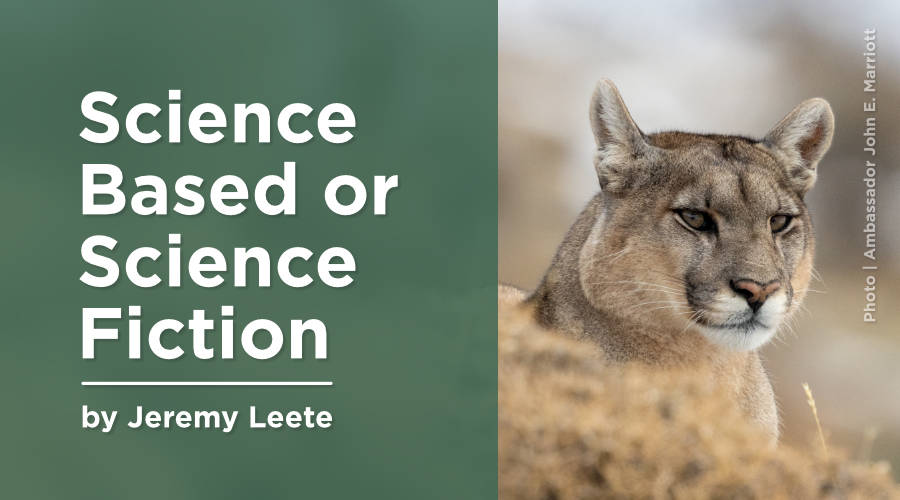
What does “science-based wildlife management” actually mean, and who gets to decide?
In this thought-provoking new opinion piece, contributor Jeremy Leete explores how the language of science is increasingly being used to justify predator control, trophy hunting, commercial trapping, and controversial wildlife policies across North America.
Not for the faint of heart, this is a confronting but important read about predators, conservation ethics, and the future of wildlife management.
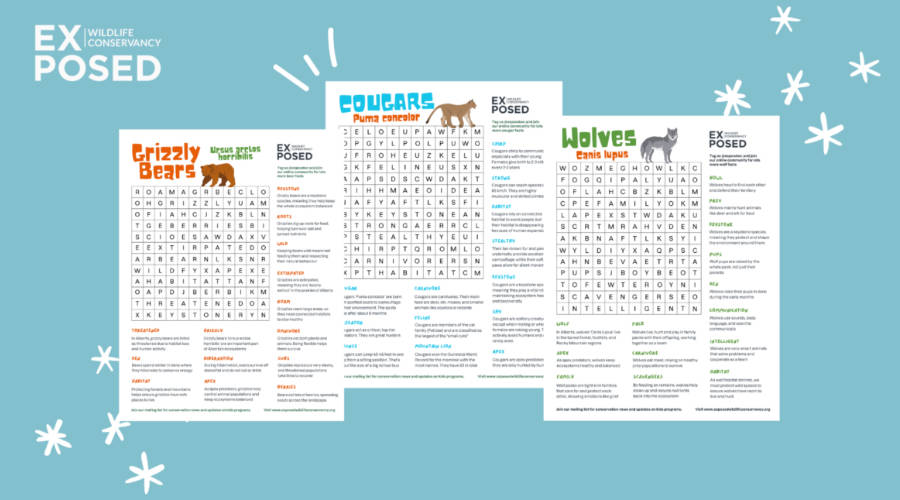
Looking to inspire the next generation of wildlife advocates? Start with play! We’ve got three, human-made and tested, word searches for you to enjoy. Hunt for facts about wolves, cougars and grizzly bears, just make sure to look diagonally! Let us know what you think.
