


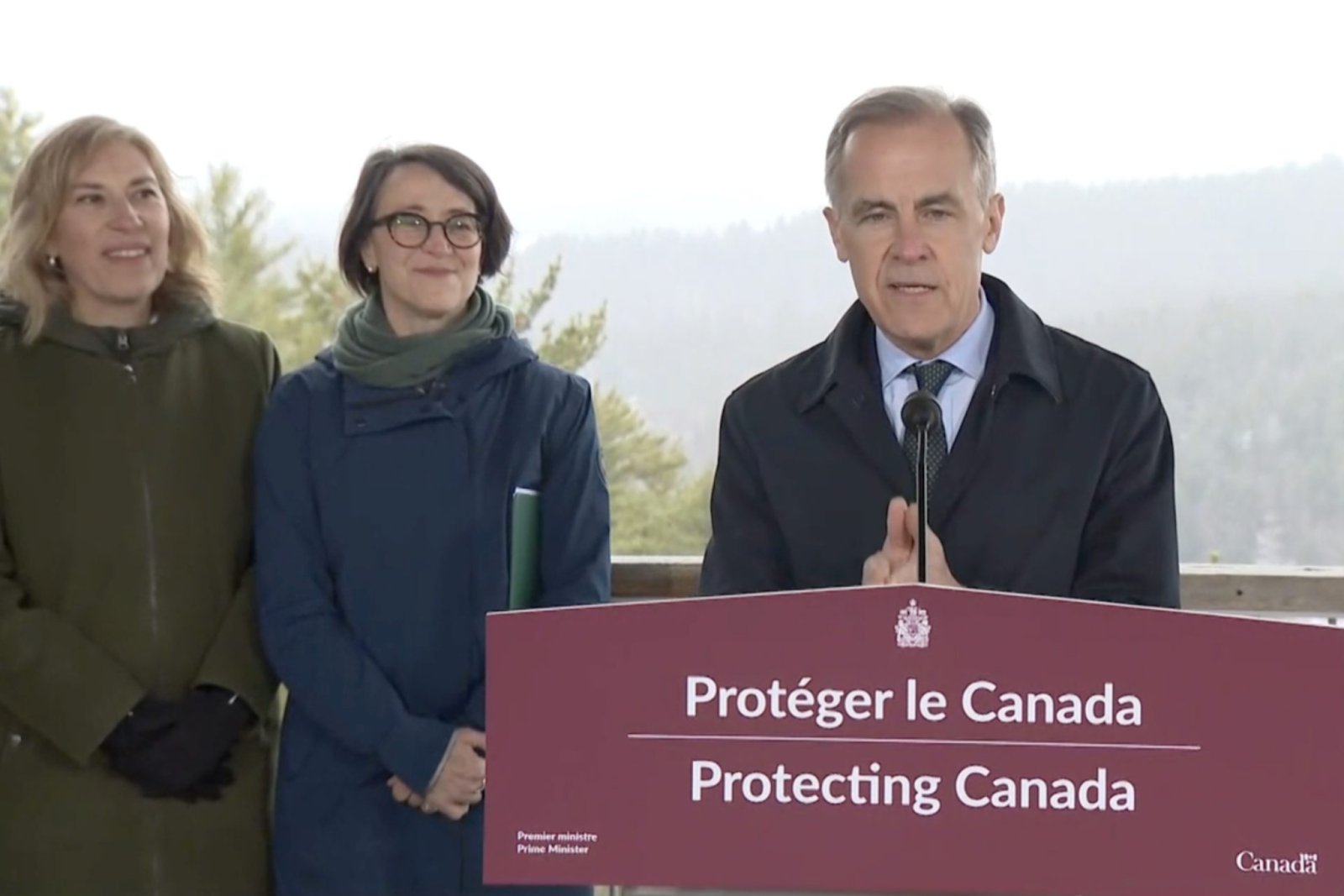
Amiskwaciwâskahikan/Edmonton - Exposed Wildlife Conservancy welcomes the federal government’s release of A Force of Nature: Canada’s Strategy to Protect Nature and its commitment to protecting biodiversity, advancing species-at-risk recovery, and strengthening habitat conservation across the country with a $3.8 Billion investment announced today.
At a time of increasing ecological pressure and economic uncertainty, this strategy reinforces an important truth: nature is not separate from our economy or well-being; it is foundational to both. The recognition that healthy ecosystems support long-term economic stability, community resilience, and public well-being reflects a necessary and timely shift in how we approach conservation and economy in Canada.
We are particularly encouraged by the strategy’s emphasis on habitat connectivity, science-based decision-making, and strengthening protections for species at risk. These priorities are essential to ensuring that wildlife populations, particularly wide-ranging species such as grizzly bears and other carnivores, can persist and recover in increasingly fragmented landscapes.
The federal commitment to protecting 30 percent of lands and waters by 2030, alongside significant investments in conservation and Indigenous-led stewardship, represents a meaningful step forward. Ensuring these commitments translate into measurable outcomes on the ground will be critical.
As implementation moves forward, there is a clear opportunity to strengthen the role of real-world ecological data in decision-making. Field-based monitoring, including community-driven initiatives, can play an important role in understanding how wildlife is actually using landscapes, where pressures are emerging, and how policy decisions are impacting ecosystems over time.
Our work is grounded in documenting wildlife presence, habitat use, and human-wildlife interactions across Western Canada. This on-the-ground perspective is essential to bridging the gap between policy intent and ecological reality.
We also recognize the central role of Indigenous leadership in conservation. Indigenous-led stewardship and knowledge systems are foundational to achieving Canada’s biodiversity goals, and continued partnership in this space will be essential.
As Canada advances its nature strategy, maintaining a strong commitment to transparency, scientific integrity, and inclusive decision-making will be key. Conservation outcomes depend not only on ambitious targets, but on how decisions are made, who is included, and whether policies reflect the realities of ecosystems on the ground.
We look forward to contributing to this work and supporting approaches that ensure Canada’s wildlife and landscapes are protected for generations to come.
