



Where did August go? It was suspiciously fleeting this year, but we’ve got some wonderful news!
With September comes the release of two huge research reports and we couldn’t be more excited to share them with you.
We’ve been squirreling away over the last few months, gathering data and translating it into actionable recommendations that we can take to decision makers and communities across Western Canada.
To each and every one of our donors, your support has allowed us to undertake such ambitious projects and lay the foundations for some serious changes to the way we currently approach coexistence. Without you, this work wouldn’t have been possible and we wouldn’t be riding this wave of enthusiasm and hope. Thank you.
As you know, we love a win of any size, so we hope you’ll join us in doing a little happy dance in honour of the good news brought to us courtesy of EWC’s public perception survey for apex predators. If you haven’t heard the news yet, keep reading to find out why we’re celebrating.
Happy trails,
The Exposed Wildlife Conservancy Team
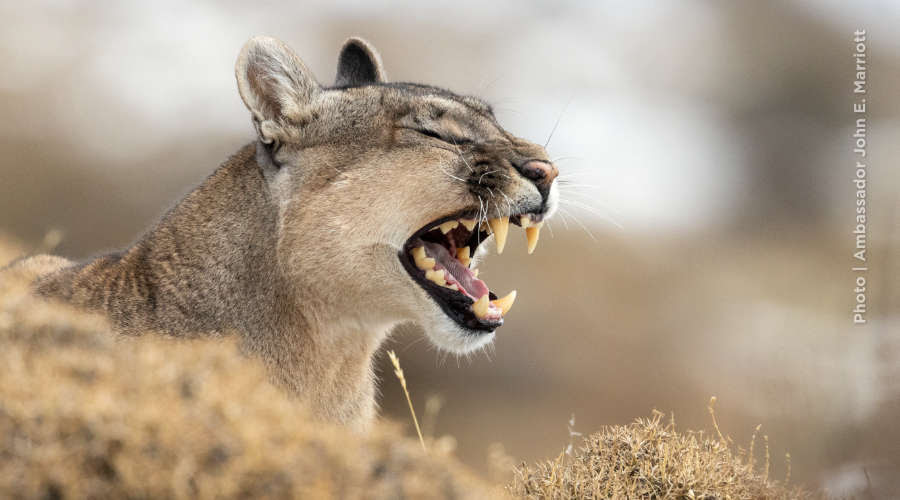
Understanding people is essential to protecting wildlife. Our perceptions shape the decisions governments make, the policies they introduce, and the way we choose to share the landscape with apex predators.
Earlier this year, EWC commissioned a survey of 1,506 residents of Alberta and British Columbia from the Angus Reid Forum to better understand how people actually perceive grizzly bears, black bears, wolves and cougars, and what they believe it takes to live alongside them.
We had some big questions and we got some fascinating answers, but, perhaps most importantly, we got some great news:
The majority of people support coexistence, and they're willing to change their behaviour to make it work.
The outcomes from this survey offer us real, tangible insights to better serve and support the people of Alberta and BC in working toward safely coexistence with wildlife.
We’re so pleased to be able to share this report with you. Please share it with your community and MLAs, and help us spread the word that the public wants non-lethal coexistence measures across Western Canada.
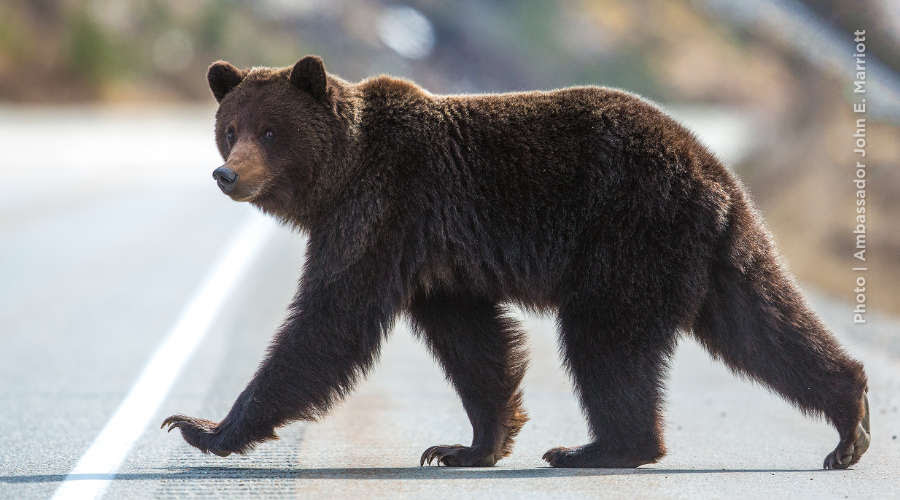
In tandem with our public perception survey, Living With the Wild, we’re thrilled to release our latest research report: Tools for coexisting with carnivores: A 2026 review of carnivore coexistence tools and stewardship effectiveness.
In British Columbia alone, there are roughly 9,000 bear complaints every year, with over 1,000 bears being destroyed annually, costing more than $1 million CAD. These staggering numbers led us to ask whether the current tools are working, which in turn led to the creation of this report.
Authored by our Coexistence Research Associate, Lindsay Wood, Tools for Coexisting with Carnivores is a solution-focused synthesis of what has been tested, what works, and where the research gaps are.
This landmark review combines evidence from over 75 independent studies and reports assessing the effectiveness of tools that enable coexistence between humans and apex predators.
The insights from this research, coupled with findings from our survey, highlight areas that municipalities can take action and start making changes to foster safer, healthier landscapes for both people and apex predators.
As we celebrate EWC’s tenth anniversary, we’re taking some time to reflect on where we’ve been, what we’ve learned and where we should go next. Each year, we revisit our strategy to make sure our work is as useful and impactful as it can be, and this year we want to bring our community into that conversation.
Whether you’ve been following EWC for years or have only recently found us, your perspective matters. What do you think we’re doing well? Where could we do better? What would you like to see us focus on in the years ahead?
We’re asking our community to spend a few minutes telling us what you think. We’re genuinely interested in hearing the good, the bad and everything in between. Your feedback will help us understand what resonates with the people who follow and support our work, and where there are opportunities to do things differently.
So, if you have five minutes, please do share your thoughts. Your answers will help us shape what the next ten years of EWC looks like.
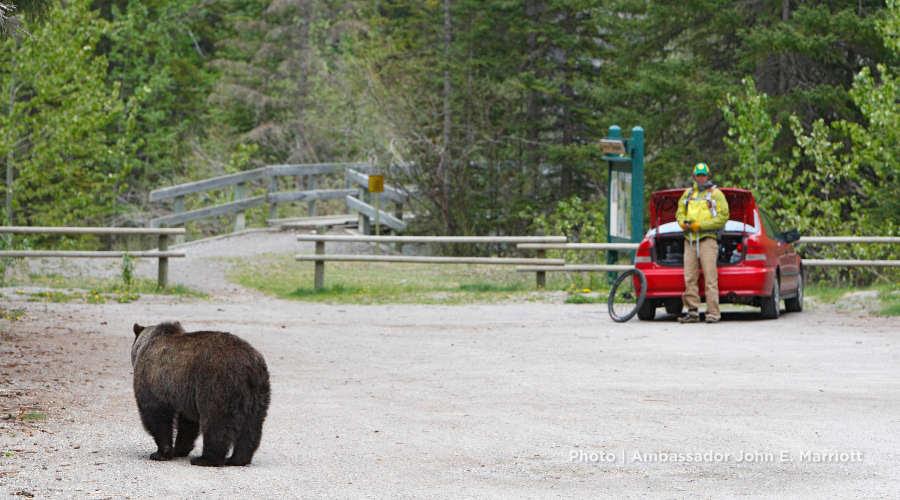
For the BC contingent of our community, the 2026 local government elections are approaching on October 17, and now is a good time to ask candidates where they stand on supporting coexistence in their community.
We’ve put together a short guide with eight questions to ask your candidates, along with some ideas on information to share with them in support of non-lethal coexistence measures for living alongside apex predators in Western Canada.

September’s recommendation is courtesy of Lindsay Wood, our Coexistence Research Associate and author of Tools for coexisting with carnivores: A 2026 review of carnivore coexistence tools and stewardship effectiveness.
“I was living aboard a research vessel when I found it in the little library left by previous crew. It was the perfect read while staring into the ocean for days on end tracking whales. The book beautifully frames the urgency of our current ecological crisis; the one that is leading thousands of species quietly to extinction while we're busy making other plans. What stuck out to me most was the concept that we live in a 10% world. Research has shown about a 90% decline in abundance across many species, meaning what we see today is only a fraction of what used to be, or what could be. I imagined looking out to sea and seeing 10 times more whales, 10 times more birds and fish. That picture seemed like a shmaltzy Disney movie to me and I was amazed to think of that level of abundance as our natural baseline. This aligned with what I learned while studying biology; it's called the shifting baseline syndrome (coined by Daniel Pauly). It describes how over generations, we collectively forget what the "normal" state of the world used to be. I feel a longing for this distant past that is so unimaginably different from the depleted and overexploited natural world of today. The message is not to despair, but rather to fight for our future using the past as a guide to restore nature.”
P.S. We can’t encourage this enough; shop local and support your community!
