


Lately, we’ve been reflecting on a quote from Dr. Dame Daphne Sheldrick:
“It’s not enough to love animals; we must actively protect and preserve them. It’s our duty and responsibility as custodians of this planet.”
The challenges facing wildlife, especially apex predators, are systemic and complex, and at times, the responsibility as stewards can feel like hiking in a weighted blanket. But one thing this community reminds us of, time and time again, is that passion inspires action, and action creates momentum.
When we move from caring to doing, even the smallest of actions helps to shed that weighted blanket, combat compassion fatigue, and show us that positive change is indeed possible.
Of course, large acts of generosity are deeply appreciated; they do, after all, keep the metaphorical lights on, but meaningful change is also built through small, consistent actions. So sign that petition, send a letter, start that fundraiser, like a post, initiate a conversation, tell your story and help someone see wildlife through a new lens.
These steps may seem insignificant on their own, but when communities act together, they really can shift culture, shape policy, and create lasting positive change.
So, we’ll leave you with this question: how will you turn your passion into action? You never know, your voice, your story, or your next small step could change the tide for apex predators.
Inspiring trails,
The Exposed Wildlife Conservancy Team
In May, along with the first in a three-part series of letters from the public, EWC, the Grizzly Bear Foundation and Alberta Wilderness Association submitted a formal letter to the Government of Alberta requesting a meeting to discuss the importance of maintaining the closure, prioritizing non-lethal conflict management and recognizing the intrinsic economic and ecosystem value of living grizzly bears.
Thanks to the volume of public engagement, we have received a letter from the Minister of Forestry and Parks, Todd Loewen, stating that there is currently no open hunting season for grizzly bears in Alberta and that grizzly bears remain a protected species. The response also reaffirmed that recovery, stabilization, and long-term population viability remain priorities for the province.
This commitment further reinforces the importance of fully implementing Alberta's existing recovery framework and investing in proven coexistence measures that support both public safety and grizzly bear recovery.
Our campaign will continue to focus on evidence-based conservation, coexistence solutions, transparency, and long-term recovery outcomes for grizzly bears in Alberta.
The third and final letter in the series will be released on July 28th, encouraging the province to recognize the sustained and significant economic value of living grizzly bears.
Alberta’s grizzly bears still need your voice. Please sign your name to Letters 1 and 2, and share with your community.
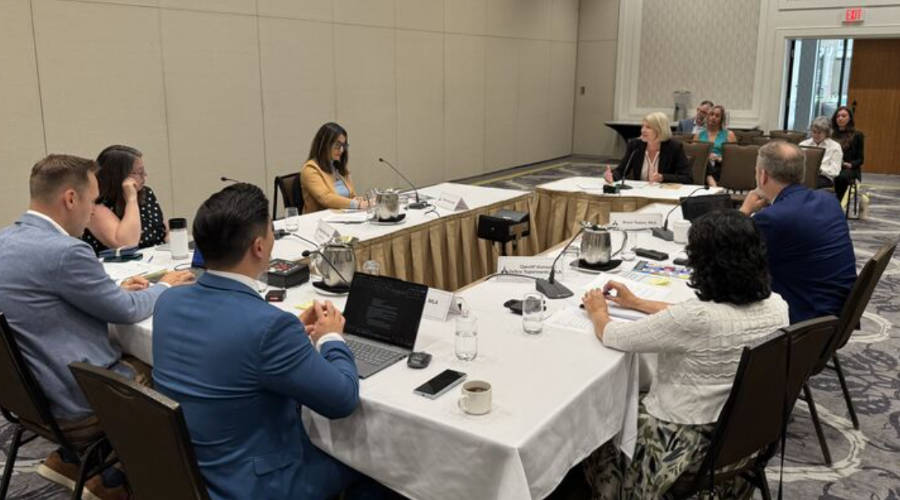
On June 15th, EWC attended the 2027 Budget Consultation in Kelowna, BC, to make a series of three recommendations to the Select Standing Committee on Finance and Government Services.
Our recommendations focused on investments for conservation and coexistence and included increased funding for the following:
Along with over 80 other organizations, EWC has signed a joint letter to BC’s government to end the provincial wolf cull.
The Government of British Columbia has proposed extending its controversial wolf cull for another five years (2026–2031) in the name of caribou recovery.
As there will be no formal public consultation on this proposal, we are encouraging people to reach out to their MLA and respectfully express their opposition to the continued aerial killing of wolves and the ongoing lack of meaningful habitat protection for caribou.
You can read more about the cull and find a sample letter to send to your MLA here. The Fur Bearers and Raincoast have provided some amazing background and technical information, along with proposals on how the province can move forward. Pacific Wild are still accepting signatories, so please take a moment to sign the joint letter if you are an organization or a professional. This is our opportunity to speak up, and there is strength in numbers, so please join us in speaking up for BC’s wolves.
There’s something special about welcoming new people into this work with new ideas, new energy, and new opportunities to create impact together. Thanks to support from the federal Canadian Summer Jobs program, EWC is growing our team to help advance our work in science, stewardship, and coexistence.
Please join us in giving a warm welcome to:
Madeline Kennedy - Project Support Intern
Lindsay Wood - Coexistence Research Associate
Sophie Fowler - Apex Predator Research Associate
Bringing their unique strengths and a shared passion for wildlife conservation, we’re excited to have this amazing trio contributing to EWC’s mission over the months ahead.
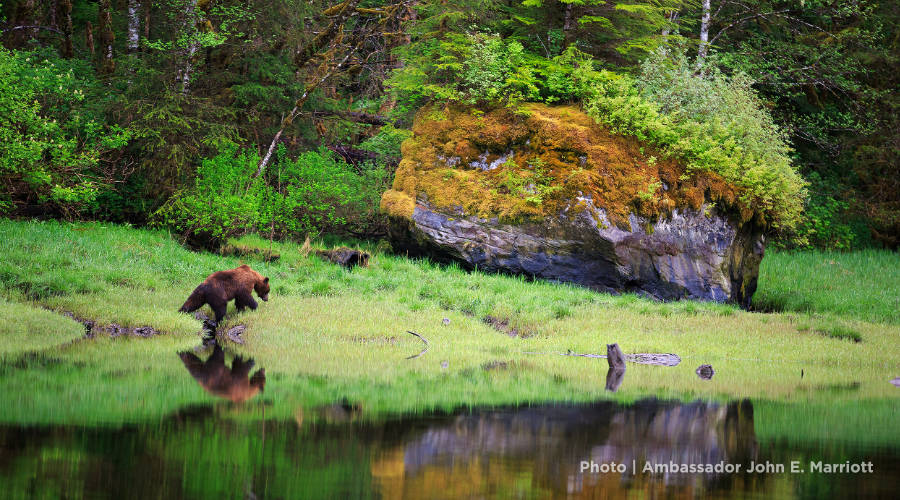
Board Members and Co-Founders of EWC, John and Kim, are spending some time at Khutzeymateen/K’tzim-a-deen Grizzly Bear Sanctuary. Khutzeymateen was the first area in Canada to be protected specifically for grizzly bears and their habitat. Monitored by First Nations Rangers and managed by BC Parks and Coast Tsimshian First Nations, it’s home to one of the highest concentrations of grizzly bears in Canada.
Ecotourism plays a vital, stabilizing role in grizzly bear conservation and sanctuaries like Khutzeymateen are of immense ecological, cultural and economic value. Coast Tsimshian First Nations depend upon this area, as they have for thousands of years, for their social, economic and cultural prosperity. As we explore in our article Rewilding the Economy, protected areas like Khutzeymateen remind us that conservation is strongest when it is grounded in relationship and respect.
With four grizzly bears now dead under the Wildlife Responder Network program in Alberta, we’re asking why hunters are being brought in when Alberta Fish and Wildlife officers are already on the scene. Our Executive Director, Maggie, spoke with CBC as we continue to raise awareness and advocate for non-lethal wildlife management.
Featured on his Substack, From The Wild Side, David Stalling shares his thoughts on ‘The Greatest Threat to Wolves’. This short, worthwhile read covers some interesting topics, such as the mythical “Canadian super-wolf”, wolf-elk co-evolution and most importantly, human stupidity.

I have a new favourite movie, although I spent roughly half of it with tears streaming down my face. It could be because I relate entirely to the main character, or because she looks like a combination of my partner and his daughter, but never have I felt more seen than when watching Hoppers with my family, and never more proud than when the kid said “Sammy, that’s you” as an old lady proclaims “we are all a part of nature, not separate from it”.
This animated movie tells the story of a young girl who finds herself in the body of a beaver as she teams up with apex predators and a whole host of wildlife in the fight to protect their home from a corrupt city councillor hellbent on building a road through a critical ecosystem. Don’t be fooled into thinking this is just a movie for kids; it’s not. To all those looking to inspire others to steward our shared lands, this is an amazing inroad to conversation. Show your kids, play it for classrooms, watch it with your friends. I promise it will awaken something in even the most avoidant amongst us. If I’m wrong, I’ll wear a beaver costume for a week. You can hold me to that.
Hoppers is available through online streaming services
