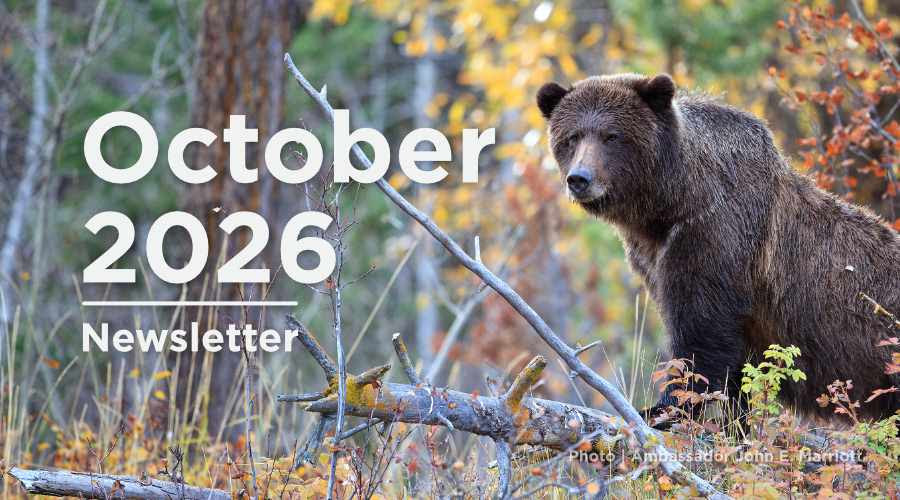
As the natural world transitions and leaves fall to the ground, across Canada, election campaign signs litter the sidewalks, signalling yet another seasonal shift.
We hope that you’ve been able to find an opportunity to speak with local candidates about their views, and have had the chance to make them aware of yours. After all, advocacy is one of the most powerful tools we have to bring about systemic change.
This October and November, our team is busy speaking up on behalf of apex predators, and we encourage you to do the same. We’re heading to Ottawa to represent EWC at Nature on the Hill, along with a series of other speaking events, workshops, and conferences. If you’d like to join us in raising support for stewardship and coexistence, we’ve got some suggestions on how you can take action, both within your community and further afield.
As we advocate for better policy and stewardship through existing structures, institutions, boardrooms, and governance models, we pause to consider that direct advocacy can require ‘a seat at the table’; or at the very least, access to someone who has already acquired a seat.
This in turn raises the questions of who built the table, and why that specific table is the center of legitimacy. Anyone navigating these pre-existing systems is called to ask how we might reshape and redesign decision-making spaces to be inherently inclusive.
True advocacy isn't about being granted permission to sit down; it is about having the courage to gather on our own terms and speak up for the changes we want to see. Tatanka Iyotake Sitting Bull said: “Let us bring our minds together and see what life we can make for our children.”
With these words in mind, we invite each of you to consider what it might mean to embrace and integrate models that favour consensus, relational accountability, and multi-generational care for the land over rigid hierarchies. What if the goal was no longer just to win a seat at an old table, but to cultivate entirely new landscapes of shared authority focused on true stewardship?
As we continue working to ensure wildlife has a voice in the decisions shaping Canada’s future, we thank our donors and everyone who takes the time to read and share our content. Your contributions make a real difference, and we couldn’t do this without you.
With gratitude,
The Exposed Wildlife Conservancy Team
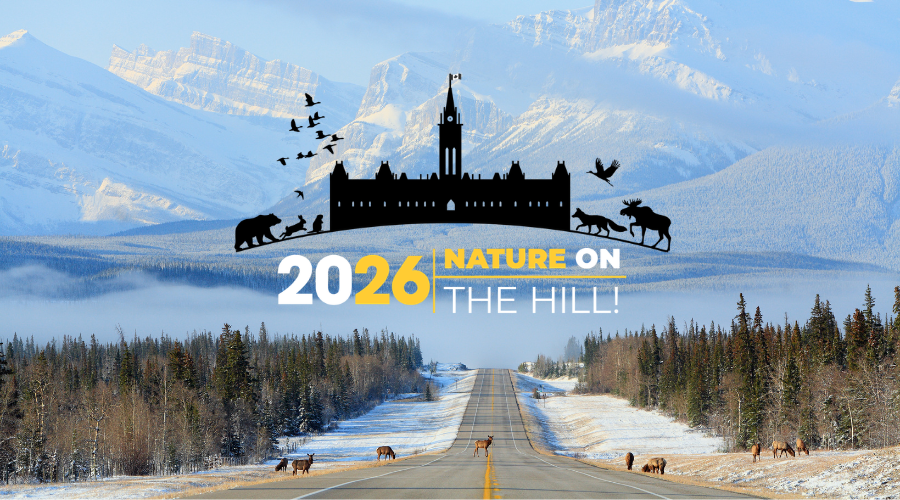
October 19-22, we’ll be in Ottawa with Nature Canada and conservation organizations from across the country for Nature on the Hill. We’re going together with one clear message: Nature is not red tape. Environmental protections are guardrails, protecting ecosystems, communities, human health, and species before damage occurs. Stay tuned to our social channels for live updates from the Hill.
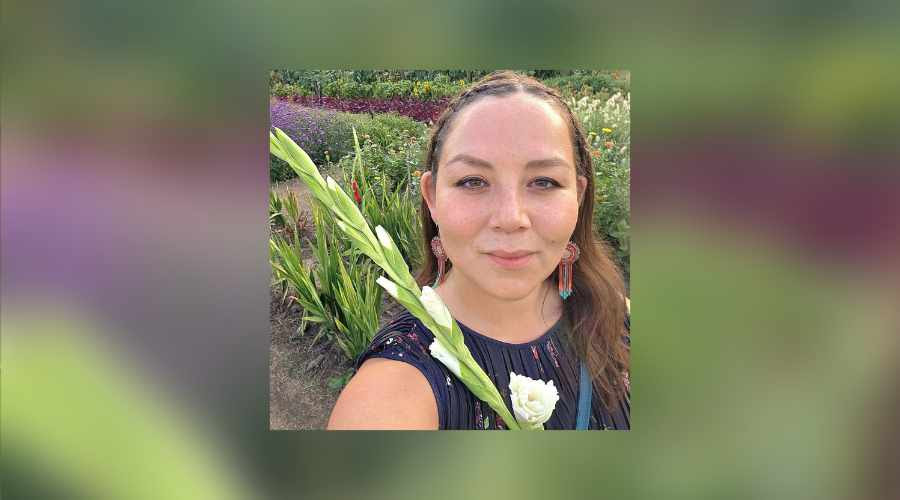
We’re extremely pleased to introduce you to EWC’s newest team member and Research and Stewardship Coordinator, Jo-Mary Crowchild-Fletcher.
“Sizi Jo-Mary at'a. Sinajunagha Tsuut'ina uwa Ik'oholi at'a. Tsa to Tsisgo guts'i anist'a at'a.”
Jo-Mary is a Tsuut'ina individual who prioritizes the important work of creating spaces where community members can build relationships and heal from colonization. Growing up in the Rocky Mountains, they learned early on the importance of building a reciprocal relationship with the land, and that relationship guides Jo-Mary in the work that they do.
Jo-Mary has spent over 10 years working in policy relating to youth-in-care, Indigenous rights, climate and conservation, and food sovereignty. They also facilitate land-based programming for urban community members to build relationships with the land and with each other. With the knowledge they carry from their First Nation culture, alongside the experience from their environmental practice degree and years of working in policy, they aim to create change to better the health of the community and the land.
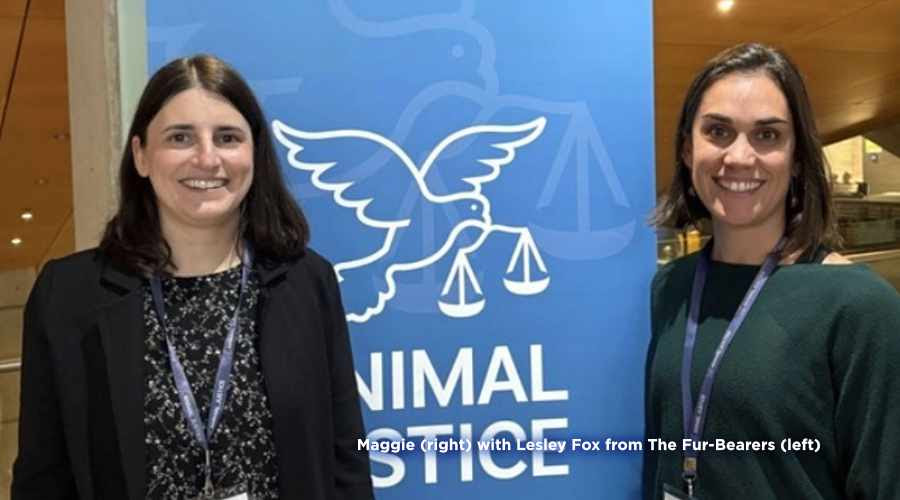
Earlier this month, our Executive Director, Maggie, travelled to the Animal Law and Advocacy Conference to represent EWC and find out what’s going on in the world of animal advocacy.
Maggie left with some amazing new connections who were keen to support EWC’s work, and was inspired to see so many advocacy projects underway.
“What I was constantly reminded of during my time at the conference was that every single voice matters when doing advocacy work, from sending an email to sharing a personal story; every note sent to policymakers matters. It’s also worth mentioning that advocacy is most effective when it's a specific and detailed ask, and this is where good science really shines. It was uplifting to see the sheer volume of successful projects led by stewardship and science, and alongside these organizations, I’m proud of the work we are doing at EWC, and grateful for the support of our community”

If you enjoy the act of gift-giving, please consider purchasing with purpose this year and supporting EWC’s online store.
To support sustainability and efficiency, we print on demand, so please allow approximately 2 to 4 weeks for shipping and delivery within Canada and the USA. Get ahead of the holiday rush and order soon.
If you need another reason other than the great quality, every purchase from the EWC store directly supports our conservation work with apex predators. Whether it’s funding our education projects, community coexistence planning, or direct advocacy and policy work, by choosing to gift from our store, you’re making a real difference to the impact EWC is able to have.
What does it really take to recover a threatened species? In this episode of Grizzcast Dispatches, longtime grizzly bear researcher Gord Stenhouse joins host Nicholas Scapolotti to talk about what more than 30 years of research have taught us about Alberta’s grizzly bears.
Gord shares how DNA sampling and decades of field research changed our understanding of Alberta’s grizzly population, including the role that roads, human activity and human-caused mortality play in bear deaths. He also discusses one of the biggest gaps in Alberta’s recovery efforts today: we stopped regularly monitoring and counting bears, leaving us without the data needed to understand current population trends or measure whether recovery goals are actually being met.
The conversation also explores what coexistence could look like, why hunting alone doesn’t resolve human-bear conflict, and what we still have to learn about these remarkable animals. It’s a thoughtful conversation about the importance of good science, long-term monitoring and taking the time to understand bears before deciding how to steward them.
This episode of Grizzcast Dispatches was produced in collaboration by Grizzly Bear Foundation and Exposed Wildlife Conservancy as part of the series “Alberta’s Threatened Recovery Beyond the Headlines.”
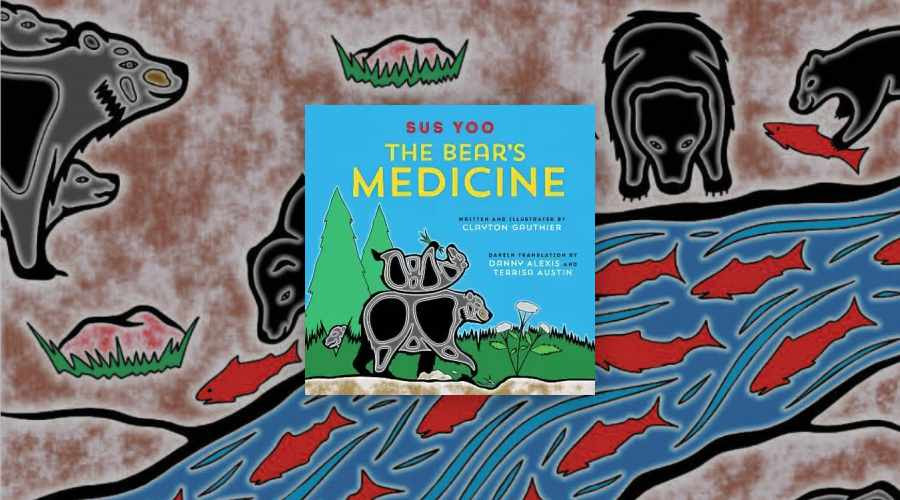
This Winner of the 2020-2021 First Nation Communities Read's Indigenous Literature Award is perfect for kids aged 0-101. Written in both Dakelh and English, the story focuses on gratitude, interdependence, and ancestry through the teachings of a mother bear to her cubs. Although the book is recommended for ages 6-9, these are important teachings no matter our age.‘The Bear's Medicine shows the interconnectedness of all things in the world they live in and how each season brings changes and blessings for the bears. It is a story of a mother's love for her children as she teaches them how to survive.’
P.S. Perhaps consider gifting this book to your local elementary school.